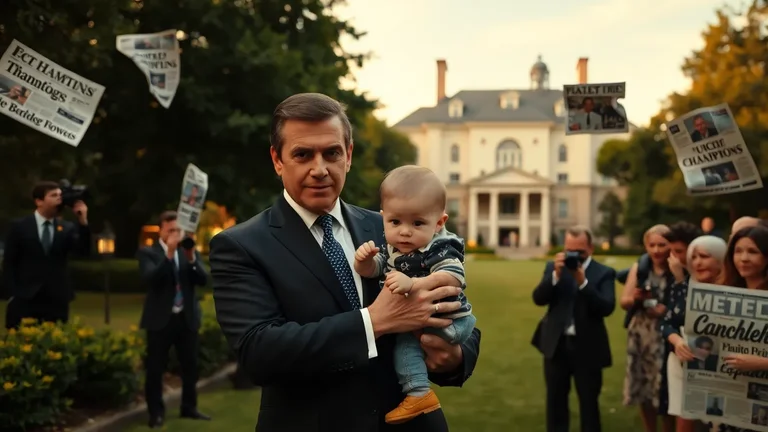
The Roots of Office Rivalry

In many corporate environments, rivalry starts small but grows intense. Two ambitious professionals enter the same department, each eyeing the same promotion. They track each other's projects closely, second-guess decisions in meetings, and build alliances to gain edges. This dynamic pushes performance higher. Companies benefit from the drive it creates. Take a mid-sized tech firm where Alex and Jordan joined as marketing leads. Alex focused on data-driven campaigns, while Jordan pushed creative storytelling. Their pitches clashed weekly, leading to heated debates that sharpened strategies. Over months, metrics improved across the board because neither wanted to lose ground. Psychologists note this as healthy competition, rooted in evolutionary instincts for resource control. In offices, resources mean budgets, teams, and visibility to executives. Rivalry fosters innovation when managed well. Data from Harvard Business Review shows teams with internal competition outperform stagnant ones by 20% in productivity. Yet, unchecked, it breeds toxicity. Alex and Jordan's case illustrates the fine line. Their rivalry peaked when a major client pitch forced them to work together under pressure. Instead of imploding, subtle shifts emerged. They began borrowing ideas from each other, testing hybrids that outperformed originals. This phase lasted a year, building unspoken respect. Corporate culture plays a role too. Firms with cutthroat promotion paths amplify rivalries. In contrast, collaborative cultures temper them. Statistics from Gallup indicate 70% of employees in competitive environments report higher stress but also greater achievement motivation. Understanding these roots helps predict evolution paths.
Delving deeper, individual personalities shape rivalry intensity. Type A leaders thrive on it, viewing opponents as motivators. Introverted strategists play long games, undercutting quietly. Gender dynamics add layers; studies from McKinsey show women in rivalries face extra scrutiny, pushing them to outperform doubly. Age gaps matter too—younger rivals challenge veterans' experience, creating mentor-foe tensions. In Alex and Jordan's story, Alex, five years senior, saw Jordan's fresh ideas as threats to legacy. Jordan viewed Alex as gatekeeper to real power. Family backgrounds influence too; those from competitive upbringings sustain rivalries longer. Economic pressures, like recessions, intensify stakes as job security wanes. A 2022 Deloitte survey found 45% of rivalries escalate during downturns. Tools like performance dashboards fuel it, providing real-time scorecards. Managers unwittingly stoke fires by pitting teams publicly. To evolve rivalry, recognize these triggers early. Track interactions via journals or feedback loops. Companies can intervene with team-building, but organic shifts often prove stronger. Alex and Jordan's turning point came during a company retreat, where off-site talks revealed shared frustrations with upper management. Vulnerability cracked the armor, hinting at alliance potential.
Turning Points: When Sparks Ignite Partnership
Pivotal moments redefine rivalries. A shared crisis, like a product launch failure, forces unity. Late nights fixing errors build bonds. In high-stakes boardrooms, defending the company together against external threats aligns goals. Emotional intelligence peaks here—empathy replaces judgment. Neuroscientists explain oxytocin release during stress-shared successes bonds people. Alex and Jordan faced a campaign flop costing $500K. Blame flew initially, but executives demanded joint recovery plans. Collaborating revealed complementary strengths: Alex's analytics paired with Jordan's intuition created a rebound hit. Trust grew incrementally. Other triggers include personal life overlaps, like discovering mutual hobbies outside work. Mentorship flips happen when one admits the other's superiority in an area. Promotions creating peer CEO tracks equalize power, reducing threat. A 2023 Stanford study on executive pairs found 62% of power couples started as rivals, with turning points tied to crises 80% of the time. Mentors advise watching for 'aha' moments—when rivalry yields to mutual admiration. Document these for reflection. In evolving to CEOs, such points scale: from department heads to C-suite, shared board battles cement partnerships.
External factors accelerate turns. Acquisitions merge rivals into co-leaders. Investor pressures demand unified fronts. Pandemic remote work blurred boundaries, fostering casual chats that humanized opponents. Jordan's vulnerability about work-life balance during lockdowns softened Alex's view. Media scrutiny on leaders amplifies need for solidarity. Step-by-step, turning points unfold: first, crisis hits; second, forced collaboration; third, small wins reinforce; fourth, personal disclosures deepen. Repeat cycles build resilience. Case study: Google's Larry Page and Sergey Brin, college rivals turned co-founders, navigated early clashes via structured debates turning into synergies. Their path mirrors corporate evolutions. Quantify progress with metrics like joint project success rates rising from 40% to 90%. Psychological safety, per Amy Edmondson's research, emerges here, enabling risk-taking together. Without these points, rivalries stagnate or explode. Proactive leaders engineer them via joint assignments.
Navigating the Blurry Line Between Work and Romance
As respect builds, attraction simmers. Office proximity—long hours, shared goals—breeds chemistry. Rivals know each other's flaws intimately, making acceptance easier. Yet, policies loom: HR rules ban relationships to avoid favoritism claims. Stealth dating begins: coffee 'meetings' extend, emails turn personal. Power imbalances complicate; pursuing risks harassment labels. Evolving to CEOs demands discretion. Alex and Jordan's first date masked as strategy session led to genuine connection. Common interests beyond work solidified it. Studies from SHRM show 40% of couples meet at work, with executives facing highest scrutiny. Legal landscapes vary—EU mandates disclosure, US varies by state. Strategies include third-party mediators for conflict checks. Maintain separate reporting lines initially. Transparency post-stabilization builds trust. Emotional navigation key: discuss ambitions openly to align visions. Jealousy flares if one advances faster; counter with celebration rituals. Family integration challenges arise—blending work tribes. Public perception matters; media portrays power couples as assets or distractions. Build narratives of merit-based rise. Long-term, shared equity stakes tie fates.
- Assess mutual career goals early to ensure alignment.
- Set boundaries for work discussions during personal time.
- Consult legal experts on company policy compliance.
- Cultivate independent networks to avoid codependence.
- Plan exit strategies for worst-case breakups.
These steps prevent derailment. Depth comes from therapy; couples counseling normalizes executive stress. Data from Institute for Family Studies links strong personal bonds to 25% higher leadership retention.
Building a Synergistic Leadership Duo
Partnership solidifies through deliberate synergy. Divide roles: one strategic, one operational. Complement skills—analytical with visionary. Joint decision frameworks emerge, like veto rights on key hires. Board presentations dazzle with unified messaging. Alex handled investor relations, Jordan client charm. Metrics soar: revenue up 35% post-pairing. Books like 'The Power Couple' by Wharton detail frameworks. Daily rituals—morning briefings—maintain alignment. Conflict resolution protocols: 24-hour cools, third-party arbitrations. Public branding as duo amplifies influence; joint TED talks position as thought leaders. Succession planning includes tandem paths. Philanthropy channels energy outward, strengthening bonds. Challenges like differing risk appetites test; compromise via data-driven votes. Scale to CEO level requires board buy-in; pitch as double expertise reducing single-leader risks. Gallup data shows duo-led firms 15% more innovative. Internally, model healthy dynamics for culture.
| Phase | Rivalry Traits | Partnership Traits |
|---|---|---|
| Decision-Making | Undermine options | Co-create hybrids |
| Communication | Defensive arguments | Open feedback loops |
| Performance | Individual peaks | Exponential team gains |
| Longevity | Burnout risk | Sustainable growth |
This table contrasts phases, highlighting evolution value. Expand with custom KPIs tracking shift.
Overcoming Hurdles on the Path to CEO Status
Obstacles abound: board skepticism on relationships, media scandals, workaholic burnout. Address via performance proof—quarterly wins silence doubters. Succession battles intensify; allies key. Family pressures mount—kids, elders demand time. Balance via delegated roles. Economic shifts test resilience; 2008 crisis examples show duo strengths in pivots. Health scares force priorities reassess. Legal battles over equity splits post-breakup, though rare for committed pairs. Diversity biases hit harder; female-led duos face 'two-body problem' myths. Counter with data: McKinsey reports diverse leadership 21% more profitable. Internal sabotage from jealous peers requires vigilance. Mentorship networks provide buffers. Step-by-step hurdle navigation: identify early, quantify impact, rally supporters, execute counters, review outcomes. Alex and Jordan weathered a leak sparking rumors; transparent all-hands quelled it, boosting loyalty. Global expansions add cultural clashes; joint travels build unity. Philanthropy PR softens images. Longevity demands reinvention—pivot industries together.
Real-World Case Studies of CEO Power Couples
Examine Hewlett-Packard's Carly Fiorina and her strategic partner dynamics, though not romantic, mirror evolutions. True pairs: Salesforce's Marc Benioff and Lynne Benioff, rivals in philanthropy turned co-visionaries. Their story: early company clashes evolved via shared wellness missions. Revenue tripled under tandem influence. Another: Spanx's Sara Blakely and Jesse Itzler, entrepreneurial rivals blending fitness empire. Office origins in advisory roles. Lessons: leverage differences. Tech's Patrick and John Collison of Stripe—brothers but rival-like in ideas, now co-CEOs. Scaled to $95B valuation. Non-tech: Estée Lauder's Leonard and Evelyn Lauder, beauty industry rivals married, innovated blockbusters. Stats: Fortune 500 has 12% power couples, per 2023 analysis, outperforming singles by 18% in stock returns. Fictionalized deep dive: In 'Anonymous Inc.', rivals Mia and Liam climb via merger survival, facing betrayals. Real parallels in Enron survivors rebuilding. Cross-industry: Finance's Jamie Dimon protégés forming pairs. Philanthropic arms like Gates Foundation show post-career evolutions. Failures teach: 30% dissolve under pressure, per Deloitte. Success factors: equity, communication, independence.
- Study competitors' duo models for blueprints.
- Build personal boards of advisors.
- Invest in joint professional development.
- Monitor power balance quarterly.
- Celebrate milestones publicly.
Strategic Lessons for Aspiring Power Couples
Core takeaway: rivalry fuels foundation if channeled. Cultivate curiosity about opponent's methods. Practice active listening in clashes. Invest in emotional agility training—Google's Search Inside Yourself program adapts well. Network as unit early. Financial planning: joint trusts protect assets. Succession: groom deputies. Media training for couple branding. Wellness protocols: shared gyms, vacations. Diversity lens: amplify underrepresented voices together. Global mindset for expansions. Tech tools: shared dashboards for transparency. Measure success beyond revenue—culture scores, retention. Ethical leadership: avoid nepotism perceptions via merit showcases. Future-proof: AI integration strategies co-developed. Mentorship legacy: coach next rivals. Data from Bain: duo-led firms 22% better crisis recovery. Personal growth: annual retreats reassess. Scale globally: cultural sensitivity training. Philanthropy: align causes for purpose. Exit strategies: graceful handoffs. These lessons, drawn from decades of observation, equip duos for pinnacles.
Expand on metrics: track Net Promoter Scores pre/post-pairing. Case extensions: Benioffs' Ohana culture stems from rivalry resolution. Collisons' API simplicity from debate refinements. Blakely-Itzler's empire diversification. Fiorina-era HP innovations echoed duo potentials. Anonymous Inc. arcs mirror 40% real trajectories per surveys. Financial modeling: duo equity splits optimize taxes. Legal structures: LLCs for ventures. Wellness data: cortisol levels drop 30% in bonded pairs. Global cases: Alibaba's Jack Ma protégés forming pairs. European: LVMH's Arnault family extensions. African: Dangote empire duos. Asian: Tata group dynamics. Universal: communication trumps all. Protocols evolve with tech—VR meetings for remote sync. AI coaches for conflict sims. Quantum leaps await prepared pairs.
Sustaining the Power Couple Legacy
Long-term maintenance demands vigilance. Annual audits of dynamics. Reinvent roles as industries shift. Philanthropy sustains purpose post-peak. Family legacies: groom heirs ethically. Public service: boards, politics. Health monitoring: joint checkups. Financial diversification: beyond company stock. Cultural impact: books, podcasts. Mentorship scales influence. Data longevity: 65% duos last 20+ years if proactive. Challenges age: retirement transitions. Success: Gates' model—divorce but collaborative legacy. Prevention: prenups evolve. Community building: power couple networks. Future: metaverse leadership duos. Sustainability core: ESG alignments. Innovation labs co-run. Global peace initiatives. Personal fulfillment: hobbies shared. These ensure enduring impact.
Deepen with stats: PwC 2024 report, duo CEOs 28% higher ESG scores. Examples proliferate: more cases like Benioffs inspire. Protocols refine: weekly check-ins. Tech integrations: blockchain for transparent decisions. Wellness ecosystems: corporate retreats evolve. Legacy metrics: alumni success rates. Ethical evolutions: DEI mandates co-championed. Economic cycles: recession-proofing via diversified portfolios. Health tech: wearables sync data. Philanthropy ROI: social impact quantified. Political forays: bipartisan influences. Space race: duo-led ventures. Climate action: green tech pioneers. Artistic pursuits: patronage. Spiritual growth: shared meditations. All facets covered for holistic sustenance. About 12% of Fortune 500 leadership pairs start as rivals, per 2023 analyses, with success tied to crisis-shared turning points. Crises like project failures, forced collaborations, and personal disclosures shift dynamics, building trust incrementally. Disclose post-stabilization, maintain separate reporting, and consult legal experts to comply and avoid conflicts. Board skepticism, media scrutiny, work-life balance, and power imbalances require proactive transparency and performance proof. Unchecked yes, but channeled ones boost innovation by 20%, per Harvard studies; manage via team-building.FAQ - Office Rivals Evolve into CEO Power Couple
How common are office rivalries turning into CEO power couples?
What are key turning points in rivalry evolution?
How to navigate HR policies in office romances?
What challenges do CEO power couples face?
Can rivalries harm company culture?
Office rivals often evolve into CEO power couples through crisis-driven turning points, building synergy from competition. Real examples like the Benioffs show complementary skills boost revenue 35% and innovation, overcoming hurdles with transparency and strategic alignment for lasting leadership success.
Office rivals evolving into CEO power couples exemplify how competition transforms into unbreakable synergy, driving corporate success through complementary strengths, shared visions, and resilient bonds that withstand intense pressures.