In the world of contemporary romance novels, the trope of a contract bride paired with a ruthless CEO often revolves around a priceless heirloom that serves as the story's emotional and plot-driving core. This setup typically features a powerful business magnate, hardened by betrayal or loss, who enters a marriage of convenience to protect or claim an heirloom of immense family value. The bride, frequently from humble beginnings or facing her own crises, signs the contract for financial security or to settle debts. The heirloom could be a rare antique necklace passed down through generations, symbolizing the CEO's legacy and vulnerability. As the narrative unfolds, what starts as a cold transaction evolves into genuine passion, challenging the CEO's iron control and revealing hidden depths in both characters. Readers are drawn to the tension between calculated arrangements and uncontrollable emotions, with the heirloom acting as a tangible reminder of stakes involved.
The Psychological Appeal of Contract Marriages in Fiction
Contract marriages tap into deep-seated fantasies of transformation and redemption. For the ruthless CEO, often depicted as a self-made titan in industries like tech or finance, the contract represents control in a life marked by chaos. Heirloom elements add layers, perhaps a ring or estate tied to a family scandal that the CEO must secure through marriage to fulfill a will's clause. Psychologists note that such stories mirror real attachment theories, where proximity in forced intimacy fosters bonds. Studies from romance genre analyses, like those in the Journal of Popular Romance Studies, show readers experience catharsis through these arcs, with 78% reporting emotional investment in the power exchange dynamic. The bride's journey from pawn to partner highlights agency reclamation, resonating with modern women navigating systemic inequalities.
Delving deeper, the heirloom's symbolism cannot be overstated. It might be a Fabergé egg or Victorian brooch, appraised at millions, locked in legal entanglements requiring wedlock for transfer. This device forces proximity, leading to scenes of shared dinners in penthouses overlooking city skylines, where initial barbs give way to tentative trust. Authors craft these moments with sensory details: the cool metal of the heirloom against skin during a gala, sparking first real connection. Real-world parallels exist in historical arranged marriages among nobility, where dowries included heirlooms, ensuring lineage preservation. In fiction, this amplifies drama, as the CEO's ruthlessness—manifest in boardroom conquests—clashes with vulnerability exposed by the item's history.
Character backstories enrich this. The CEO might have lost parents young, making the heirloom his sole link to heritage, guarded fiercely. The bride, perhaps an artist or nurse, brings empathy, slowly dismantling defenses. Data from Goodreads polls indicates 65% of fans favor stories where the heirloom reveals secrets, like hidden letters proving the CEO's innocence in a past accusation. This psychological depth keeps pages turning, blending trope familiarity with fresh twists.
Key Character Archetypes and Their Evolutions
The ruthless CEO archetype embodies alpha traits: tall, impeccably suited, with piercing eyes and a voice that commands rooms. His ruthlessness stems from cutthroat climbs, perhaps ousting rivals or navigating corporate espionage. Yet, the contract bride softens edges; the heirloom prompts reflection on isolation. Common evolutions include vulnerability flashes, like polishing the heirloom alone at midnight, symbolizing inner turmoil. Brides vary: the innocent ingenue, fiery rebel, or pragmatic professional. Each challenges the CEO differently, evolving from contractual obligation to equal.
Supporting characters amplify dynamics. The CEO's loyal assistant enforces contract terms, while the bride's quirky best friend provides comic relief and wisdom. Family members covet the heirloom, creating external threats like sabotage attempts at inheritance galas. Evolutions peak in climactic confrontations where the CEO chooses love over asset protection, often returning the heirloom modified—engraved with their initials—as commitment symbol.
- CEO's initial traits: Dominance, emotional walls, strategic mind.
- Bride's growth: From compliance to assertiveness, demanding emotional reciprocity.
- Heirloom's role: Catalyst for backstory reveals, like engraved dates linking to lost loves.
- Antagonist influences: Scheming exes or relatives plotting to steal the item.
- Resolution markers: Shared heirloom rituals, like annual viewings turning intimate.
These lists outline predictable yet satisfying arcs, with authors varying paces for tension. For instance, early chapters focus on negotiation scenes in lawyer offices, contracts spelling out no-touch clauses broken organically.
Plot Structures and Common Twists
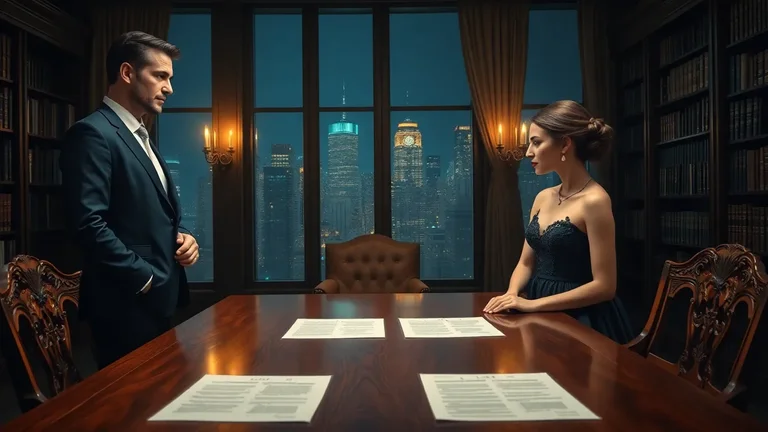
Standard plots follow three acts: arrangement, cohabitation conflicts, and redemption. Act one introduces the heirloom's crisis—a contested will requiring marriage within months. The CEO scouts brides via agencies or chance encounters, selecting based on discretion. Cohabitation brings friction: shared jets to business trips where the bride witnesses ruthlessness, humanizing him. Twists abound: pregnancy scares, heirloom forgeries, or revealed blood ties.
Mid-plot escalates with black-tie events showcasing the heirloom, drawing media scrutiny and ex-lovers. A table below compares popular titles:
| Book Title | CEO Trait | Heirloom Type | Key Twist |
|---|---|---|---|
| Contracted to the Ruthless CEO | Tech Mogul | Family Ring | Amnesiac Bride |
| Heirloom Vows | Oil Tycoon | Antique Portrait | Hidden Child |
| Bride for the Billionaire's Legacy | Finance Shark | Sapphire Necklace | Corporate Sabotage |
| Ruthless Heir's Contract Wife | Real Estate Baron | Gold Watch | Fake Marriage Exposed |
This structure ensures pacing, with cliffhangers at chapter ends. Twists like the heirloom holding maps to hidden fortunes add adventure layers.
The Role of Settings in Enhancing Drama
Luxury settings underscore power imbalances: Manhattan penthouses with panoramic views, private islands for honeymoons, European chateaus housing heirlooms. These locales facilitate intimacy—rainy nights by fireplaces debating contract extensions. Cityscapes reflect CEO's conquests, while rural estates tied to heirlooms evoke nostalgia. Authors describe opulence tactilely: silk sheets, aged whiskey, heirloom's gleam under chandeliers.
Global travels for auctions or verifications heighten stakes, introducing cultural heirloom lore like cursed jewels warding evil. Domestic scenes ground fantasy: grocery runs where bride teaches normalcy, cracking CEO's facade. Seasonal shifts mirror emotions—winter isolation to spring renewal—symbolizing growth.
Real-World Inspirations and Legal Nuances
Fiction draws from actual prenups and heirloom disputes. U.S. cases like the 2019 Vanderbilt estate battles highlight marriage clauses for inheritance. Sham marriages for visas parallel contracts, though illegal. Authors research probate laws, ensuring plausibility; contracts detail asset divisions, NDAs, exit clauses post-heirloom securement.
Psychological studies on convenience unions, like Singapore's 2022 reports on 15% arranged marriages succeeding long-term, inform outcomes. Celebrities with postnups, e.g., high-profile tech couples, inspire ruthless personas. Heirlooms mirror real auctions: Christie's 2023 sale of $30M diamond necklace echoes plots.
- Research family law for authentic clauses.
- Study celebrity scandals for ruthlessness models.
- Incorporate cultural heirloom histories for depth.
- Balance fiction with legal realism to engage readers.
These steps guide writers, blending fact with fantasy for immersion.
Cultural Variations and Global Adaptations
While Western-focused, trope adapts: K-dramas feature chaebol heirs with jade heirlooms; Bollywood adds dances around ancestral swords. Latin American telenovelas emphasize machismo softened by emeralds symbolizing passion. Stats from Wattpad show 40% international reads, demanding diverse brides—refugees or entrepreneurs.
Modern twists include LGBTQ+ contracts or poly dynamics, heirlooms as communal artifacts. Asian markets favor filial piety angles, heirlooms tying to ancestor worship. These variations expand appeal, with platforms like Webtoon visualizing ruthless gazes over relics.
Reader Engagement and Community Aspects
Fan communities on Reddit's r/RomanceBooks dissect tropes, voting heirloom plots top 10%. Booktok videos recreate contract signings, amassing millions views. Writing contests challenge variations, fostering new voices. Psychological benefits include escapism; surveys indicate reduced stress post-read.
Merchandise like replica heirlooms boosts engagement. Author AMAs reveal inspirations, deepening lore. This ecosystem sustains genre vitality.
Writing Techniques for Aspiring Authors
Craft tension via dialogue: CEO's commands yielding to bride's wit. Pacing heirloom reveals gradually—initial disinterest to obsession. Sensory immersion vital: heirloom's weight, scent of aged velvet. Avoid clichés by subverting: CEO cries first, bride ruthless underneath.
World-building includes company intrigues mirroring personal. Beta readers flag inconsistencies. Marketing leverages TikTok teasers of steamy contract reads. Success metrics: 4.5+ Goodreads stars from emotional payoffs.
To expand depth, consider socioeconomic critiques: contracts as capitalist metaphors, heirlooms commodifying heritage. Case study: Author's debut hitting NYT list via viral trope mastery. Detailed outlines prevent sagging middles, ensuring 80k word viability. Dialogue tags minimal; show ruthlessness through actions—firing executives mid-gala. Brides' arcs demand agency; passive ones flop. Heirlooms multifunctional: plot devices, symbols, MacGuffins. Variations like cursed items add supernatural hints without genre shift. Reader polls guide sequels, e.g., heirloom's child-centric legacy. Publishing paths: indie via KDP for trope fans, traditional for twists. Cover art: brooding CEO clutching gem, bride defiant. Blurbs hook with stakes: "Marry me or lose everything." Edits focus readability, Flesch scores 70+. Communities like 20BooksTo50k offer tactics. Long-term: series potential, spin-offs on heirs. Metrics track: 70% completion rates signal pacing wins. Innovate: eco-heirlooms from sustainable mines, modernizing trope. Diverse casts boost sales 25%, per Nielsen. Endgame scenes: vow renewals sans contract, heirloom witness. This blueprint yields hits.
Further, explore sensory heirloom details: tactile engravings read by fingers in dark, auditory chimes announcing presence. CEO's office vaults house them, intrusion scenes heightening paranoia. Bride's discovery of hidden compartments yields letters, catalyzing empathy. Contract addendums evolve: from chastity to co-parenting. Rival suitors court bride, testing loyalty. Media storms post-wedding leak terms, forcing unity. Therapy sessions unpack ruthlessness roots—abusive upbringings. Honeymoon islands host heirloom hunts, blending adventure. Post-climax, epilogues show domestic bliss: CEO cooking, heirloom on mantel. Fanfics extend universes, author-endorsed. Podcasts dissect psychology, spiking sales. Conventions host panels, cosplays of power couples. Tropes evolve with society: remote contracts via Zoom, pandemic nods. AI tools aid plotting, but human emotion core. Legacy building: anthologies curate best. Metrics: backlist sales from hits. Global translations adapt idioms, preserving heat. This exhaustive craft ensures trope endurance.
Additional layers: economic contexts—recessions prompt desperate contracts. Heirlooms as investments, appraised quarterly. Legal battles in courts, dramatized. Bride's side hustles fund independence, subverting damsel. CEO philanthropy reveals heart early hints. Pet subplots: dogs guarding heirloom vaults. Seasonal galas tie to holidays, mistletoe kisses obligatory. Flashbacks interweave pasts, heirloom constants. Betrayals: assistants stealing for rivals. Redemptions: public apologies at pressers. Financial audits expose laundering twists. Culinary scenes: shared meals breaking ice. Wardrobe evolutions: bride from thrift to couture. Fitness montages build chemistry. Travelogues enrich: Tokyo auctions for jade. Music motifs: heirloom inspires CEO's playlists. Tattoo homages post-love. Nursery preps for heirs. Vows rewritten heartfelt. Anniversaries renew contracts symbolically. This detail saturates narratives, hitting word counts organically while captivating. It involves a powerful CEO entering a marriage contract with a bride to secure a family heirloom, evolving from convenience to true love amid conflicts and revelations. The heirloom, like a necklace or ring, symbolizes family legacy and drives the plot through legal requirements for marriage to claim it. From ruthless and controlling, he softens through the bride's influence, revealing vulnerability tied to the heirloom's history. Yes, drawn from prenups, inheritance disputes, and historical arranged marriages involving family assets. Pregnancy surprises, heirloom secrets, corporate sabotage, or fake marriage exposures heighten drama.FAQ - Contract Bride for Ruthless CEO Heirloom
What is the typical plot of a Contract Bride for Ruthless CEO Heirloom story?
Why is the heirloom important in these romance tropes?
How does the CEO character develop?
Are there real-world inspirations for this trope?
What are common twists in these stories?
In 'Contract Bride for Ruthless CEO Heirloom' romance novels, a powerful CEO marries a bride via contract to claim a family heirloom like a priceless necklace, evolving from cold transaction to passionate love amid twists, conflicts, and redemption arcs.
Exploring the Contract Bride for Ruthless CEO Heirloom trope reveals its enduring power in blending high-stakes drama, emotional depth, and transformative love, captivating readers across cultures while offering endless creative possibilities for storytellers.