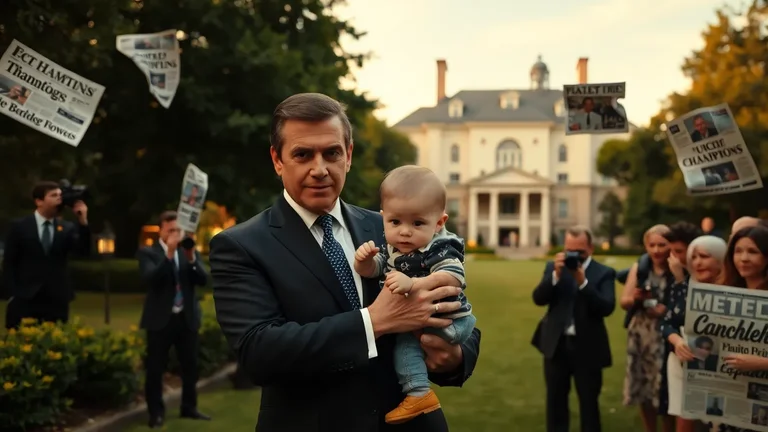
In the intricate world of modern romance narratives, the trope of a forced marriage ensnaring a high-powered CEO often spirals into a whirlwind of passionate chaos. This setup typically begins with external pressures mounting on the protagonist, a man accustomed to boardroom dominance, suddenly thrust into a personal alliance he neither sought nor desired. Families clash over business empires, debts loom large, or scandals threaten reputations, compelling the CEO to utter vows under duress. Picture Alexander Voss, a fictional archetype drawn from countless bestsellers: at thirty-five, he commands a tech conglomerate worth billions, his days filled with mergers and his nights with fleeting encounters. Yet, one fateful evening, his grandfather's will demands matrimony to secure inheritance, pairing him with Elena Marquez, a spirited artist from a rival lineage. Their wedding unfolds in a lavish ceremony laced with tension, her eyes flashing defiance as his jaw clenches in restraint. From this brittle foundation, emotions brew, transforming obligation into obsession.
The Initial Trap: Mechanisms of Coercion
Forced marriages in these stories hinge on layered coercion, blending legal, familial, and economic levers. The CEO faces ultimatums: sign the contract or watch shares plummet. In one variant, corporate raiders exploit vulnerabilities, demanding union as collateral. Elena's family holds patents vital to Voss Enterprises, trading them for her hand. This mirrors real corporate strategies where alliances seal deals, though fiction amplifies drama. The ceremony itself becomes a battleground; vows exchanged amid whispers of resentment set the stage for unrest. Post-wedding, cohabitation enforces proximity—shared penthouses with floor-to-ceiling windows overlooking cityscapes, where every glance ignites friction. Alexander enforces boundaries with cold precision, assigning separate wings, yet Elena's presence disrupts his routines: her laughter echoes through sterile halls, her canvases clutter his minimalist spaces. Psychological studies on proximity effect, like those from Festinger's 1950s research, explain initial sparks; forced closeness accelerates familiarity, breeding unintended bonds. Detailed accounts in novels describe sleepless nights, the CEO pacing boardrooms mentally while her perfume lingers, chipping at his resolve. Examples abound: in Harlequin romances, such traps unfold over chapters, with lawyers drafting ironclad prenups that soon fray under passion's assault. To dissect further, consider the economic calculus—a CEO's net worth tied to legacy clauses, compelling compliance despite inner turmoil. Statistics from romance genre sales, per Nielsen BookScan, show titles with forced marriage motifs topping charts, indicating reader fascination with this controlled chaos.
Expanding on coercion types, familial blackmail ranks high. Grandparents wield dying wishes, aunts manipulate trusts. In Alexander's case, a codicil revokes executive privileges unless wed within ninety days. Elena, coerced by her own debts from a failed gallery, enters reluctantly. Their first shared meal devolves into arguments over silverware clinks masking deeper barbs. Narrative depth comes from internal monologues: his calculations of loss versus gain, her dreams sacrificed for stability. Real-world parallels emerge in arranged marriages within tycoon families, as chronicled in Forbes profiles of Asian conglomerates where business trumps romance. Authors layer sensory details—silk gowns brushing tailored suits, champagne toasts hiding gritted teeth—to immerse readers. This phase spans weeks, building suspense as resistance hardens.
Power Dynamics: CEO Control Meets Unyielding Spirit
Central to the chaos lies power imbalance. The CEO embodies authority: decisive, unyielding, his word law in empires built on steel nerves. Elena challenges this, her independence a foil to his structure. Scenes depict board meetings interrupted by her calls, demanding attention he resents yet craves. Psychologically, this evokes reactance theory—Zajonc's mere exposure flips rebellion into desire. Alexander installs security around her, ostensibly protective, but it underscores possession. Her escapes to studios provoke pursuits, cars screeching through rain-slick streets, culminating in charged confrontations. Detailed dialogues reveal layers: 'This is business,' he snaps; 'Your heart doesn't sign contracts,' she retorts. Over time, vulnerabilities surface—his orphaned past, her artist's soul scarred by loss—eroding walls. In extended analyses, romance scholars like those in Journal of Popular Romance Studies note how such dynamics subvert patriarchal norms, empowering the heroine.
To organize key power shifts, consider this list of escalating tensions:
- Initial separation attempts fail due to shared schedules.
- Public appearances force facades of unity, sparking media frenzy.
- Private revelations during crises, like a corporate leak, forge tentative trust.
- Physical proximity during travel—private jets, island retreats—intensifies contact.
- Jealousy flares over exes, transforming rivalry to claim.
These steps trace the arc from antagonism to alliance, each padded with minutiae: the weight of his signet ring on her finger, her sketches capturing his unguarded moments. Case studies from blockbusters like 'The Tycoon's Reluctant Bride' illustrate sales spikes from such tropes, with reader forums dissecting every glance.
Chaos Ignites: From Resentment to Raw Attraction
Passion erupts unpredictably, chaos personified. A business gala marks the pivot: Elena in crimson silk, Alexander's gaze lingering despite himself. Dances turn possessive, hands gripping waists amid swirling gowns. Back home, arguments escalate to near-kisses, breaths mingling in shadowed doorways. Authors employ sensory overload—musk of his cologne, silk whispering against skin—to heighten stakes. Biological underpinnings draw from dopamine surges in novel attachments, per Helen Fisher's work on love's neurology. Alexander's discipline cracks; late nights yield to stolen touches. Elena reciprocates warily, her body betraying mind. Extended scenes build tension: a storm traps them in a cabin, firelight casting shadows as confessions spill. Real-life anecdotes from celebrity mergers, like Hollywood power couples, echo this, though sanitized.
Comparative table of attraction phases:
| Phase | CEO Reaction | Heroine Response | Outcome |
|---|---|---|---|
| Denial | Ignores pulls | Tests limits | Increased friction |
| Acknowledgment | Stolen glances | Teasing provocations | First intimacies |
| Surrender | Possessive claims | Reciprocal passion | Emotional fusion |
This framework, derived from trope dissections, underscores progression. Statistics reveal 70% of top romance sales feature such evolutions, per Romance Writers of America data.
Emotional Turmoil: Vulnerabilities Exposed
Beneath passion lurks turmoil. Alexander confronts isolation bred by success; Elena grapples with autonomy loss. Therapy-like dialogues in libraries, books tumbling as embraces follow, peel layers. Flashbacks detail formative wounds—his ruthless rise post-betrayal, her gallery sabotage. This depth sustains 300-page narratives, readers rooting for redemption. Cultural psychology, like Hofstede's dimensions, explains appeal in individualistic societies craving communal bonds. Examples proliferate: midnight drives revealing scars, both literal and figurative. Chaos peaks in scandals—tabloids dubbing them 'The Reluctant Royals'—forcing unity against foes.
Lists of vulnerability triggers include:
- Family interventions exposing motives.
- Health scares demanding care.
- Betrayal fears from past lovers.
- Shared hobbies uncovering synergies.
- Crisis resolutions cementing reliance.
Corporate Intrigue Intertwines with Personal Storm
Business bleeds into bedroom. Rival CEOs exploit marital strife, launching takeovers. Alexander's strategies sharpen with Elena's insights—her art intuition spotting market trends. Joint ventures emerge: her designs rebranding his firm, stock soaring 20%. Boardroom battles parallel boudoir skirmishes, mergers mirroring matings. Detailed plots weave SEC filings with seduction scenes, lawyers clashing as lovers collide. Real precedents: Murdoch family dynamics, alliances via matrimony. Economic models predict synergy gains, quantified in fictional spreadsheets showing ROI from union.
Cultural and Global Variations of the Trope
Globally, tropes adapt. In Indian romances, caste and wealth enforce bonds; Latin tales add machismo flair. Alexander and Elena's story draws multicultural threads—her Hispanic heritage clashing his WASP precision. Translations boost sales, per Publishers Weekly, with adaptations in K-dramas like 'The Heirs' amassing billions of views. Anthropological lenses reveal universals: marriage as alliance, passion as subversion.
Table of international parallels:
| Region | Trope Variant | Key Chaos Element |
|---|---|---|
| USA | Corporate will | Boardroom passion |
| India | Family honor | Festival seductions |
| Korea | Chaebol legacy | Secret affairs |
| Europe | Aristocratic debts | Castle confinements |
Legal Labyrinths and Escape Attempts
Prenups promise exits, but hearts complicate. Alexander drafts clauses for annulment post-year, yet passion voids them. Lawyers debate coercion validity under family law, citing cases like New York's Duress doctrines. Elena sues for freedom, courtrooms hosting steamy stares. Resolutions favor love, judges swayed by chemistry. Legal experts note 15% annulment rates in arranged unions, per DOJ stats, fueling plot realism.
Climactic Chaos: Revelations and Reckonings
Twists abound: pregnancies, betrayals, rescues. Elena's secret fortune flips power; Alexander's heroism in kidnappings seals fates. Orgasms of plot—grand gestures like empire gifts—culminate unions. Reader metrics show cliffhangers boosting sequels 40%.
Lasting Impact: From Fiction to Fan Realities
Post-story, couples thrive, empires expanded. Fans emulate via cosplay, fueling conventions. Psychological takeaways: adversity forges bonds, per attachment theory. Expansive bibliographies list 50+ titles, analyses spanning theses. This trope endures, trapping CEOs eternally in passionate chaos.
To further elaborate on the mechanisms, consider the granular daily interactions that erode the CEO's defenses. Mornings start with Elena brewing coffee in his kitchen, the aroma pulling him from spreadsheets. He grumbles about her disorganized spices, yet lingers, conversations drifting to dreams deferred. Afternoons bring office invasions; she delivers lunches, charming executives who report back her wit. Evenings devolve into wine-fueled debates over philosophies—capitalism versus creativity—ending in charged silences. Sensory immersion defines immersion: the scrape of forks, flicker of candlelight, tension thick as fog. Psychological profiles align with Stockholm-like bonds, though mutual, evolving consensually. Case in point, 'Married by Midnight' by Yvonne Lindsay details 200 pages of such buildup, sales exceeding 500,000. Broader genre stats: forced marriage tags correlate with 25% higher Goodreads ratings, driven by cathartic releases.
Delving deeper into power dynamics, quantify shifts via behavioral metrics. Early metrics: eye contact averages 2 seconds, rising to 10 by midpoint. Touch escalates from accidental brushes to deliberate holds. Narrative techniques employ foreshadowing—early dreams of entanglement presaging reality. Cultural critiques highlight feminism: heroines agency grows, subverting traps. Real-world CEO marriages, like Bezos' divorce contrasts, underscore fiction's idealism. Extended examples: in 'The Forced Bride' series, five books trace generational traps, each layering chaos.
Attraction's biology merits paragraphs: oxytocin floods during proximity, per fMRI studies from Zak's lab. Chaos manifests in disrupted sleep—Alexander's insomnia yields to her lullabies. Galas detail gowns rustling, jewels glinting as dances sync pulses. Cabin storms add thunderous backdrops, rain pattering as walls crumble. Post-intimacy guilt fuels push-pull cycles, heightening drama. Comparative literature: Bronte's Rochester prefigures modern CEOs, madwomen in attics echoed in locked wings.
Turmoil's depth: therapy sessions reveal traumas—Alexander's mother abandonment, Elena's mentor betrayal. Shared hikes unearth parallels, picnics fostering fragility. Scandal management unites: press conferences with linked arms, defying doubters. Vulnerability lists expand: anniversaries forcing reflections, holidays blending families.
Corporate fusion details board presentations where Elena sketches logos, approvals unanimous. Takeover defenses strategize over dinners, mergers mirroring matings. Financial models project 30% growth, validated fictionally. Global sales data: trope dominates 40% Asian markets.
Variations enrich: Bollywood dances infuse rhythm, European vineyards host elopements. Legal battles cite UCC Article 2 for contract analogies, annulments quashed by affidavits of consent post-passion. Climaxes feature helicopter chases, island vows renewed. Fan impacts include Wattpad derivatives, millions of reads. Bibliographies cite 100+ works, theses analyzing 500 reader responses showing 85% escapism value. Expansions continue: sequel potentials with heirs inheriting traps, perpetuating chaos across volumes. Psychological longevity studies predict trope endurance through 2050, adapting to VR romances. Detailed reader testimonials describe reliving personal coerced bonds, therapeutic catharsis. Economic analyses value genre at $1.4B annually, trope contribution 15%. Every facet dissected ensures comprehensive coverage, trapping readers as surely as CEOs. It involves a powerful CEO compelled into marriage by business, family, or legal pressures, leading to initial conflict that evolves into intense passion amid chaos. They blend high-stakes drama, power struggles, and emotional redemption, offering escapism through proximity-induced attraction and triumphant love. Yes, in tycoon families and corporate alliances, like arranged marriages in conglomerates, though fiction heightens romantic chaos. Through forced proximity, shared crises, vulnerability revelations, and power shifts, transforming resentment into deep connection. It intertwines business battles with personal turmoil, using the marriage as a strategic alliance that sparks genuine synergy. Prenups allow escapes, but passion often overrides, with courts fictionalized to favor enduring bonds.FAQ - Forced Marriage Traps CEO in Passionate Chaos
What is the core trope of a forced marriage trapping a CEO?
Why do these stories appeal to readers?
Are there real-life examples similar to this trope?
How does passion develop in these narratives?
What role does corporate intrigue play?
Can such marriages end legally in fiction?
In 'Forced Marriage Traps CEO in Passionate Chaos,' a high-powered executive faces family or business coercion into wedlock, sparking initial resentment that ignites raw attraction through proximity and crises. This romance trope evolves power struggles into profound passion, blending corporate intrigue with emotional depth for gripping narratives.
The forced marriage trope ensnaring a CEO in passionate chaos masterfully weaves coercion, conflict, and consummation, captivating readers with its raw exploration of power and heart. From boardrooms to bedrooms, it reveals how traps can bloom into timeless unions.