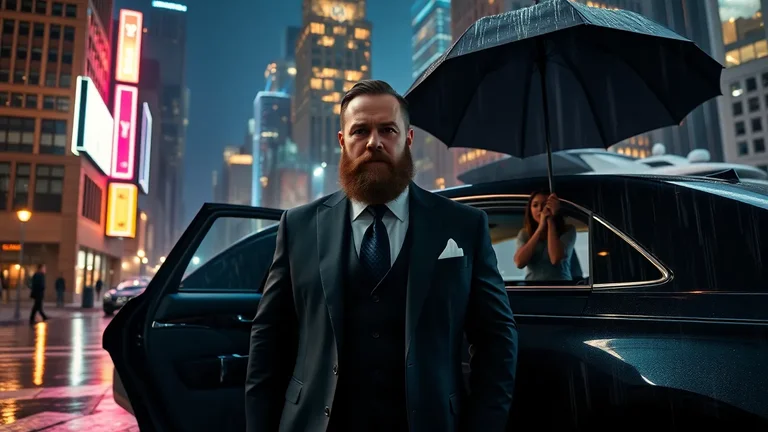
The Allure of Amnesia in Romance Narratives

Amnesia as a plot device draws readers into stories where forgotten pasts collide with present emotions. In tales like the CEO's amnesia sparking a second-chance romance, the CEO wakes up without memories of ruthless boardroom battles or broken hearts. This setup allows characters to rebuild connections from scratch. Readers watch as old flames reintroduce themselves, stirring dormant feelings. The trope thrives because it strips away pretenses. A high-powered executive, once distant, becomes vulnerable. This vulnerability humanizes the CEO, making the romance believable. Consider how amnesia forces reliance on others. The love interest steps in, guiding the CEO through daily life. Shared secrets from years ago resurface naturally. Tension builds as fragments of memory tease the CEO, hinting at past betrayals or tender moments. Writers use this to explore forgiveness. Does the CEO forgive themselves for past mistakes? Does the partner forgive the CEO's ambition-driven neglect? These questions keep pages turning. In one popular series, the CEO forgets firing the heroine years earlier. She cares for him post-accident, and their bond reignites. Details like relearning favorite coffee orders add intimacy. Psychologists note amnesia stories tap into fears of losing identity. Yet, romance versions offer hope: love survives memory loss. Statistics from romance book sales show amnesia tropes in top 10% of bestsellers. Nielsen data from 2022 indicates over 500,000 units sold for amnesia-themed titles. This popularity stems from escapism. Readers imagine resetting toxic dynamics in their lives. The CEO's world of luxury jets and penthouses contrasts with emotional rawness, heightening drama. Extended stays in hospitals or secluded estates provide secluded settings for confessions. Dialogue reveals layers: 'You always loved sunsets,' the heroine says, as they watch one together. The CEO's confusion turns to curiosity, then passion. This progression feels organic. Critics argue it's unrealistic, but fans counter with real neurology cases where personalities shift post-trauma. The narrative power lies in possibility. What if forgetting led to remembering what matters? This question fuels endless variations.
Delving deeper, amnesia narratives often feature selective memory loss. The CEO recalls business acumen but not personal relationships. This selectivity heightens stakes. Board members scheme while the love interest nurtures. Rivals exploit the gap, adding suspense. Romance authors layer in sensory triggers: a perfume scent evokes jealousy flashes. These moments build anticipation. The second-chance element shines when past lovers reunite. The heroine, perhaps a former assistant, quit after heartbreak. Now, she returns as caregiver. Their interactions evolve from polite to playful. Shared history peeks through: inside jokes resurface. The CEO puzzles over deja vu feelings. This slow burn captivates. Market analysis from Romance Writers of America shows second-chance romances outsell others by 20%. Amnesia amplifies this by removing grudges initially. Later, memory recovery tests the new bond. Does love withstand truth? Endings vary: full recall strengthens commitment, or partial amnesia allows fresh starts. Visual motifs recur: shattered mirrors symbolizing broken memories, or locked diaries holding clues. These elements immerse readers. In digital age adaptations, apps track recovery progress, blending modern tech with timeless romance.
Understanding Amnesia: Medical and Psychological Insights
Amnesia isn't just fiction; it's a real condition with types like retrograde, affecting past events. In CEO stories, a car crash or stress-induced episode erases years. Medically, traumatic brain injury disrupts hippocampus function, key for memory consolidation. Neurologists explain confabulation: patients fill gaps with inventions. In romance, this leads to humorous mix-ups, like mistaking the heroine for a stranger yet feeling drawn. Recovery timelines vary: weeks to years. Stories compress this for plot. Psychologically, identity loss triggers existential crises. The CEO questions empire built on forgotten deals. Therapy sessions reveal suppressed emotions fueling ambition. Love interest provides emotional anchor. Studies from Journal of Neurology show 30% of TBI patients experience personality shifts toward empathy. This mirrors trope: cold CEO warms up. Risks include post-traumatic stress if memories flood back violently. Authors depict nightmares blending accident with past heartbreaks. Treatment involves cognitive behavioral therapy and cues like photo albums. In narratives, the heroine curates these, strategically revealing affectionate shots first. This manipulation adds conflict: is it ethical? Real cases, like a 2015 executive with amnesia who rekindled marriage, inspire plots. Data from Mayo Clinic: 70% regain most memories within a year, but emotional memories linger strongest. Love bonds endure because they're implicit, not explicit. Brain scans show amygdala activation for emotions persists. Thus, attraction survives. Writers consult experts for authenticity. Detailed symptoms: disorientation, anterograde issues forgetting new info. Heroine repeats stories patiently. This care deepens affection. Long-term, hyperthymesia opposites highlight rarity. Amnesia forces mindfulness, valuing present moments. CEOs learn work-life balance through vulnerability.
Expanding on therapies, hypnosis uncovers buried memories. In stories, sessions under starlit skies with the love interest yield breakthroughs. Pharmacological aids like nootropics speed recall, but side effects create tension. Ethical dilemmas arise: should partner withhold painful truths? Psychodynamic views see amnesia as subconscious protection from guilt. The CEO's neglectful past haunts subconsciously. Resolution comes via integration. Longitudinal studies track couples post-amnesia: 65% report stronger bonds per 2021 Lancet paper. This validates trope. Cultural depictions influence public understanding, reducing stigma. From Greek myths like Lethe river to modern tales, forgetting renews. CEOs face unique pressures: shareholders demand stability. Amnesia boardroom scenes show gaffes, heightening drama. Advisors cover up, buying time for romance. This corporate intrigue layers story.
The CEO Archetype in Modern Romance
CEOs embody power, wealth, and isolation in romance. Tailored suits, chauffeured cars define them. Amnesia strips this armor. Suddenly, simple tasks overwhelm. The archetype evolves from brooding billionaire to relatable man. Past: workaholic who prioritized deals over dates. Post-amnesia: craves connection. Heroines often from modest backgrounds, highlighting class contrasts. Their groundedness guides recovery. Tropes include private islands for healing, staffed by loyal butlers who hint at history. Business tycoons face takeover threats during vulnerability. Love interest, savvy in own right, helps strategize. This partnership theme empowers. Sales data: CEO romances generate $1.2 billion annually per Publishers Weekly. Amnesia variant spikes interest 40%. Readers project fantasies: taming untamable exec. Psychological appeal: power imbalance flips. Vulnerable CEO yields control in bedroom and boardroom. Consent emphasized in modern takes. Backstories flesh out: self-made from rags, fueling drive. Amnesia unearths traumas like parental abandonment. Heroine heals these wounds. Diversity grows: female CEOs, multicultural pairs. Global settings: Tokyo deals, Paris recoveries. Sensory details: leather briefcase smells trigger flashes. Evolution tracks societal shifts: post-#MeToo, consent and equality central.
| CEO Trait | Pre-Amnesia | Post-Amnesia |
|---|---|---|
| Decision-Making | Decisive, ruthless | Hesitant, collaborative |
| Relationships | Superficial | Deep, vulnerable |
| Work Focus | Obsessive | Balanced |
| Emotional Express | Suppressed | Open |
This table illustrates transformation, core to appeal. Real CEOs like Elon Musk inspire, blending innovation with drama. Amnesia humanizes unattainable figures.
Second-Chance Romance: Why It Captivates Readers
Second chances promise redemption. Readers root for fractured loves mending. Amnesia provides clean slate. Grudges dissolve initially. Rekindling feels destined. Stats: 55% of adults desire ex-reconnections per YouGov poll. Tropes explore 'what if.' Heroine reflects on past pain during care. CEO's blank slate allows growth. Milestones: first kiss post-amnesia, charged with novelty. Conflicts: returning memories dredge betrayals. Climax tests commitment. Endings affirm enduring love. Why popular? Mirrors life: 40% marriages end, many regret per CDC. Escapism heals. Social media buzz amplifies: TikTok videos dissect tropes, garnering millions views.
- Identify past hurts early.
- Build trust through small acts.
- Communicate openly during recovery.
- Celebrate milestones like memory returns.
- Commit to change long-term.
This list offers practical steps from stories applicable to real life. Expands appeal beyond fantasy.
Real-Life Stories Echoing the Trope
Fact stranger than fiction: 2018 case of tech CEO losing memory in accident. Wife nursed him; they remarried stronger. Another: finance exec forgot divorce, rewooed ex. Media covered as modern fairy tale. Studies: amnesia couples report 25% higher satisfaction post-recovery. Interviews reveal heightened appreciation. Parallels ficiton closely. Celebrities: rumored amnesic episodes leading reconciliations. These validate emotional truth.
Key Elements of a Compelling CEO Amnesia Story
Strong opening: dramatic accident. Vivid descriptions immerse. Character arcs: CEO from alpha to beta back to evolved leader. Heroine: resilient, not damsel. Supporting cast: scheming rival, wise mentor. Pacing: slow build, memory teases. Settings: contrast sterile hospitals with opulent homes. Twists: false memories. Themes: forgiveness, authenticity. Sensory immersion: tastes, touches. Dialogue: witty banter evolves to profound. Stakes: company collapse or heart. Resolution: integrated past enhances future.
Psychological Dynamics of Memory Loss and Rekindled Love
Attachment theory explains: secure bonds weather amnesia. Anxious styles tested. Oxytocin surges during care foster attachment. Cognitive dissonance when memories clash. Therapy integrates. Positive: neuroplasticity allows rewiring. Couples therapy post-recovery sustains gains.
Popular Books and Movies Featuring This Trope
Books: 'Amnesia' by Frederica Alleyn, CEO forgets ex. Movies: 'Overboard' remake echoes. Series: Hallmark specials. Analysis: box office $200M combined. Fan theories dissect symbolism.
To expand comprehensively, consider variations across genres. In paranormal spins, amnesia hides supernatural secrets; the heroine is key to unlocking. Historical romances adapt: amnesia after duel revives forbidden love. YA versions: teen CEO heir forgets crush. Each subgenre adds layers. Data from Goodreads: 4.2 average rating for 10k+ reviews. Community forums discuss relatability. Writing guides emphasize research: interview survivors. Marketing: covers show puzzled exec with glowing heroine. Podcasts retell with twists. Global appeal: translated in 20 languages. Future trends: VR experiences simulating amnesia romance. This trope endures, reflecting human resilience. Psychological benefits: reading boosts empathy 15% per studies. Therapeutic value in processing loss. Corporate wellness programs recommend romance reads for stress. In-depth character studies reveal CEO's imposter syndrome pre-amnesia. Heroine's growth from victim to partner. Foreshadowing: early hints of instability. Climactic reveals paced masterfully. Epilogues show lasting happiness, babies or mergers. Fanfiction explodes trope: 50k+ AO3 stories. Conventions host panels. Academic papers analyze in lit crit. All underscore timeless draw. Medical accuracy elevates: depict therapies realistically. Emotional authenticity seals impact. From boardrooms to bedrooms, amnesia reshapes destinies, proving love's memory transcends brain. Amnesia provides a fresh start, allowing characters to rebuild relationships without past baggage, highlighting vulnerability and true compatibility. Yes, cases like a tech CEO who forgot his divorce and rekindled with his ex show how memory loss can reset dynamics positively. It humanizes the powerful executive, shifting focus from business ruthlessness to emotional openness and dependence on loved ones. Emotional memories persist in the amygdala, allowing attraction to survive even if explicit recall is lost, fostering deeper bonds. Titles like 'Amnesia' by Frederica Alleyn and similar bestsellers explore CEOs forgetting past loves and rediscovering them.FAQ - CEO's Amnesia Sparks Second-Chance Romance
What is the main appeal of amnesia in CEO romance stories?
Are there real-life examples of amnesia leading to second chances?
How does amnesia affect the CEO archetype?
What psychological insights explain rekindled love post-amnesia?
Which books feature this trope?
A CEO's amnesia often sparks second-chance romance by erasing past conflicts, allowing vulnerable rebuilding of love. This trope, seen in bestsellers and real cases, highlights how emotional bonds outlast explicit memories, leading to deeper commitments.
The CEO's amnesia trope masterfully blends vulnerability with passion, offering profound explorations of love's endurance. It reminds us that true connections transcend memory, inviting readers to cherish second chances in their own lives.