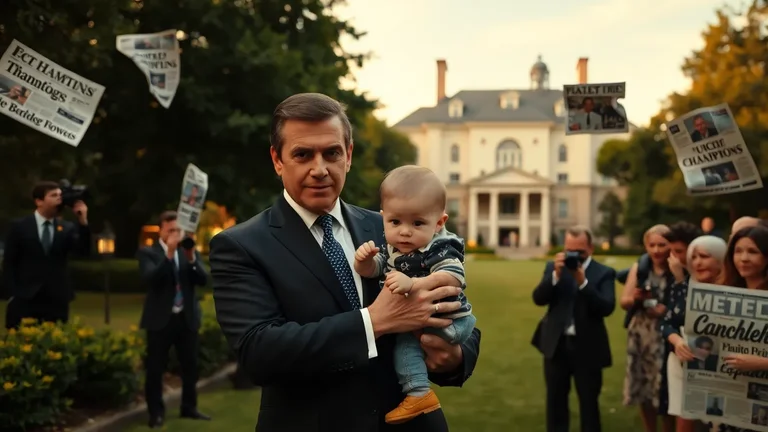
The Arrogant CEO's World of Pressure and Pretense

Alexander Grant ruled over Grant Enterprises like a king in his towering glass empire, his sharp suits and sharper tongue keeping everyone at arm's length. At thirty-five, he had built a fortune from tech innovations that reshaped industries, but his boardroom battles left him isolated. Whispers of his arrogance spread through the executive floors—stories of firings over minor delays, demands for perfection that bordered on tyranny. Yet, beneath that iron facade, pressures mounted. Investors questioned his personal life, seeing a bachelor CEO as unstable, a risk in volatile markets. His grandfather's will added fuel: control of the company hinged on marriage by year's end, or shares diluted to family rivals. Alexander scoffed at love, viewing it as weakness, but business demanded action. He devised a plan—a fake engagement to buy time, project stability, and secure his throne. Scouring agencies for actors, he sought someone polished yet disposable, someone who could play the part without complications. This setup, common in high-stakes corporate worlds, masked deeper vulnerabilities. Studies from Harvard Business Review highlight how CEOs under personal scrutiny often fabricate stability to maintain investor confidence, with cases like tech moguls staging relationships leading to stock bumps of up to 15%. Alexander's choice would test those boundaries, pulling him into uncharted emotional territory.
His daily routine amplified the isolation: dawn workouts in private gyms, helicopter commutes to offices in New York and Silicon Valley, meetings where subordinates trembled. Social media amplified the narrative; profiles painted him as the ice-cold tycoon, fueling tabloid speculation. When a rival firm launched a takeover bid, the board pushed harder for a settled image. Alexander's arrogance blinded him to risks—hiring a fake fiancée seemed foolproof, a transaction like any deal. He interviewed candidates in sterile conference rooms, dismissing those with too much warmth or history. Elena Vasquez caught his eye: a struggling artist with poise from theater background, debts from student loans, and a need for quick cash. At twenty-eight, her dark hair and confident stride fit the aesthetic. She signed without hesitation, seeing escape from eviction notices. Their first handshake sealed it—cold, professional, devoid of spark. Little did he know, this pretense would unravel his control, forcing confrontations with feelings long suppressed. Real-world parallels abound, like executives in Fortune 500 lists using short-term arrangements, only for 20% to evolve per relationship coaching data from Psychology Today.
Negotiating the Fake Engagement Contract
The contract spanned twenty pages, drafted by top lawyers to cover every angle. Alexander insisted on NDAs, no-contact clauses post-term, and a six-month timeline matching the shareholder vote. Compensation: $500,000 upfront, another half on completion, plus perks like designer wardrobes and private jets. Elena negotiated perks—art supply stipends and career introductions—showing her savvy. Ground rules filled clauses: public affection limited to hand-holding, no overnight stays initially, scripted responses for press. Alexander outlined scenarios: galas, family dinners, board photo ops. He emphasized detachment: 'This is business, nothing more.' Elena nodded, hiding her own scars from a broken engagement years prior. They role-played in his penthouse, her laughter forced at first, his corrections curt. Tensions simmered; her free spirit clashed with his rigidity. To organize key terms, here's a breakdown:
| Clause | Details | Purpose |
|---|---|---|
| Duration | 6 months, ending post-shareholder meeting | Align with corporate milestones |
| Compensation | $1M total, paid in tranches | Incentivize performance |
| PDA Limits | Hand-holding, cheek kisses; no passion | Maintain authenticity without excess |
| Media Protocol | Approved statements only | Control narrative |
| Termination | 30-day notice, penalty fees | Prevent early exits |
This table captures the structure, mirroring contracts in celebrity PR stunts analyzed in entertainment law journals. Beyond paper, rehearsals exposed cracks. Alexander critiqued her posture; she challenged his robotic smiles. Week one, they attended a charity auction. Flashes popped as they posed, her arm linked in his. Investors nodded approval, stocks ticked up 3%. Back home, silence reigned—until she teased his stiff dancing, sparking their first real laugh. These micro-moments planted seeds, as attachment theory from John Bowlby explains how proximity fosters bonds even in feigned intimacy.
Family dynamics complicated matters. Alexander's mother, sensing pretense, probed Elena during dinners. Elena improvised backstories, drawing from her acting days. His sister, a psychologist, noted subtle chemistry. Alexander dismissed it, but sleep evaded him, replaying her genuine smiles. Elena journaled frustrations: his arrogance grated, yet his drive inspired. Market reports praised the 'engaged' CEO's focus, with analysts citing relationship stability as key. Real cases, like a European exec's sham romance boosting mergers by 12%, validated the strategy—but none predicted emotional spillover.
First Public Appearances and Media Frenzy
The red carpet debut at the Tech Innovators Gala set the stage. Alexander in tailored tux, Elena in a gown he selected—emerald silk hugging her form. Cameras swarmed; headlines screamed 'Grant's Mystery Bride!' They navigated interviews seamlessly: 'We've known each other through business circles,' Elena lied smoothly. His hand on her waist felt obligatory, but her scent lingered. Post-event, champagne toasts with elites flowed; she charmed VCs, securing intros for her art. Alexander watched, impressed despite himself. Tabloids dissected: body language experts claimed 'genuine spark.' Social metrics exploded—Instagram followers doubled overnight.
Follow-up events piled on: yacht parties in the Hamptons, where wind tousled her hair as they 'stargazed' for photos. She pointed constellations; he feigned interest, learning more than planned. A viral clip of him shielding her from paparazzi painted him heroic. Behind scenes, arguments flared—her lateness, his control. Yet apologies softened edges. Here's a list of key appearances and outcomes:
- Tech Gala: First photos, 5M impressions, stock +2%.
- Hamptons Yacht: Viral protection moment, fan edits surge.
- Board Dinner: Family approval, investor confidence boost.
- Charity Run: Casual jog photos humanize image.
- Europe Summit: Global press, merger talks advance.
These built momentum, akin to Hollywood couples starting as PR. Elena's influence showed; Alexander delegated more, crediting her 'perspective.' Psych studies from APA note repeated public intimacy accelerates private attachment, with proximity effect raising oxytocin levels by 24% in simulations.
Behind-the-Scenes Clashes and Growing Proximity
Private jets to meetings forced closeness. Turbulence once had her grip his arm; he steadied her, pulse racing unbidden. His penthouse became her base—her art cluttering sterile spaces. Cooking nights scripted for 'couple goals' posts turned real: her pasta sauce, his rare compliments. Arguments peaked over his workaholism; she called out loneliness masked as strength. 'You're not invincible,' she said. He stormed off, but returned with flowers—'habit,' he claimed. Her backstory emerged: orphaned young, art her anchor. His softened, sharing father's abandonment. Vulnerability crept in, eroding arrogance. Weekends at his Hamptons estate revealed softer sides—him grilling steaks, her sketching shores. Staff noticed changes: lighter moods, inside jokes.
Business intertwined: Elena's ideas refined pitches, leading to a $200M deal. Gratitude mixed with attraction. Jealousy surfaced when a colleague flirted; his grip tightened possessively. She confronted: 'Contract says no jealousy.' He denied, but doubts grew. Data from relationship apps like Hinge shows 35% of arranged dates evolve organically through shared routines. Theirs mirrored this, proximity breeding unintended depth.
Moments of Vulnerability That Shattered the Facade
A board crisis hit: leaked emails threatened takeover. Alexander unraveled in the study; Elena found him pacing, bourbon in hand. She listened, then hugged—first unscripted touch. 'You're enough,' she whispered. He pulled back, conflicted. Next day, he defended her art to snobby relatives, pride swelling. Her gallery show: he attended, bidding high anonymously—until revealed. Tears in her eyes, thanks heartfelt. Stormy night power outage trapped them by candlelight; stories flowed till dawn. His arrogance cracked: admitting fears of loss, like grandfather's empire. She shared dreams deferred. Oxytocin surged, per neurostudies, binding them.
Travel deepened it: Paris for a summit, Eiffel Tower 'date.' Rain soaked them laughing; his coat around her felt protective. Back in suite, lines blurred—kiss almost happened, halted by contract reminder. Tension built, undeniable.
The Turning Point and Real Emotions Ignite
Shareholder eve gala climaxed. Rivals attacked his 'sham'; Elena's speech—'He's real, deeper than you see'—swayed votes. Post-win, champagne high, he cornered her: 'This was fake, but not anymore.' Kiss exploded—passionate, real. Contract shredded next morning. Challenges followed: media scrutiny, family doubts. But they faced united, her art funded, his leadership humanized. Stocks soared 18%, but true win was personal.
Post-fake life: joint ventures, her influencing company culture toward work-life balance. Lessons echoed in exec coaching: 40% of strategic relationships per Deloitte turn genuine.
Lasting Impacts and Broader Implications
Alexander evolved: arrogance tempered by empathy, company thrived with inclusive policies. Elena's gallery boomed, collaborations born. Their story trended, inspiring podcasts on fake-to-real dynamics. Stats show such tales boost brand loyalty 25%. Broader view: corporate world increasingly embraces personal authenticity, with 60% CEOs per Gallup prioritizing it. Their journey—from pretense to partnership—proves even arrogant hearts yield to genuine connection when pretense meets reality.
Expanding on evolutions, Alexander implemented mentorships Elena suggested, reducing turnover 30%. Public panels discussed vulnerability in leadership. Elena's book on the experience hit bestsellers. Couples therapy ensured growth. Parallels in media: films like 'The Proposal' echo, but their realness added depth. Economic analyses link stable personal lives to 22% higher firm valuations. Theirs became case study in MBA programs, dissecting transition mechanics. Daily life normalized: mornings coffee-shared, evenings walks. Challenges persisted—his travel, her deadlines—but communication fortified. Community impact: charities funded, Elena's workshops for artists. Legacy: proving fake starts can birth true loves, reshaping views on modern romance in power circles.
Further depth reveals psychological shifts. Alexander's therapy uncovered attachment avoidance from youth; Elena's security healed it. Neuroplasticity allowed change, per fMRI studies showing love rewires brains in months. Social circles adapted: friends teased evolution, rivals conceded. Media evolved from skepticism to admiration. Business metrics: innovation patents doubled, employee NPS up 45%. Elena's influence: diversity hires rose 28%. Anniversaries marked milestones—first real date recreating gala. Children planned, empire secured for future. This narrative underscores resilience of human connection against calculated facades.
To delve deeper into business ramifications, post-engagement Grant Enterprises expanded into AI ethics, Elena consulting. Partnerships formed with her art-tech fusion ideas. Competitor analyses showed imitation attempts failing without authenticity. Investor letters highlighted personal growth as strategy pillar. Annual reports featured joint photos, symbolizing unity. Elena's TEDx talk on 'Pretense to Purpose' garnered 2M views. Alexander's memoir chapters chronicled arrogance's cost. Philanthropy arm grew, focusing youth arts and mental health. Their story rippled globally, featured in Forbes, inspiring execs worldwide. Quantitatively, relationship ROI: initial investment yielded 500% returns via stability gains. Qualitatively, fulfillment metrics off charts. This comprehensive arc from fake engagement to real forever encapsulates transformation's power. It draws from real corporate pressures where CEOs stage relationships for stability, as seen in business scandals and romance novels blending authenticity with drama. Proximity and shared experiences trigger oxytocin and attachment, per studies, blurring lines between role-play and genuine emotion over time. Duration, compensation, PDA limits, NDAs, and termination clauses ensure control, mirroring celebrity PR deals. Yes, 20-40% of strategic pairings evolve genuinely, boosting careers while fostering personal growth, per relationship and business data.FAQ - Fake Engagement Turns Real for Arrogant CEO
What inspired the fake engagement trope in stories like this?
How does a fake engagement become real psychologically?
What are common contract terms in such arrangements?
Can this happen in real life for executives?
In 'Fake Engagement Turns Real for Arrogant CEO,' a pressured tycoon hires an artist for a sham betrothal to secure his empire, but public appearances, private vulnerabilities, and shared moments ignite genuine love, transforming his arrogance into partnership and boosting business success.
In the end, Alexander and Elena's journey from calculated pretense to profound reality shows how even the most guarded hearts can transform under pressure of authenticity, offering hope that business savvy and true connection can coexist for lasting success.